How we picked
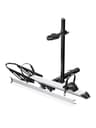
Stated load capacitywas the first filter and the only one that is non-negotiable — two value e-bikes can total 140 lb, which rules out most general-purpose racks immediately. Then a loading ramp, because the difference between rolling a 70 pound bike up a ramp and lifting it to waist height is the difference between using the rack and leaving the bike at home. Then tire clearance, since 4-inch fat tires do not sit in a standard tray, and folding, because a rack that stays on the car needs to get out of the way of the tailgate. We have not ridden every one of these; this is exactly what we do instead.
Those first two filters are the same ones we apply to indoor storage racks — published capacity first, then how far you have to lift the bike. If a rack for the car is on your list, the rack for the wall usually is too.
Check your hitch before you check the rack
Every rack here needs a 2-inch receiver. That is the deciding constraint for most buyers, and it is worth understanding before you spend anything.
- 2-inch receiver— standard on SUVs, trucks and many crossovers. This is what heavy e-bike racks are designed around.
- 1.25-inch receiver— common on small cars. Adapters exist, but they reduce the safe capacity and add leverage at the joint; do not use one to carry two e-bikes.
- No hitch at all— fitting one is a real cost, often comparable to the rack itself. Price both before deciding a car rack is the plan.
Two numbers matter on the car side as well: the receiver’s tongue weightrating, which is the downward load it can carry, and your vehicle’s own limits. The rack’s weight counts toward both, and racks like these are heavy in their own right.
Weigh your bike, then add the rack
Rack capacities are stated as totals, not per bike, and e-bike weights vary more than people expect — the bikes we cover run from 49.6 lb to 75 lb. Two fat-tire folders can easily exceed a 100 lb rack rating while looking like “just two bikes.”
Look up your bike’s published weight before you buy — our weight guide lists every model we cover, including the two manufacturers who decline to publish a figure. Then leave margin: a rack loaded to exactly its rating on a rough road is being asked more of than the number suggests.
Take the battery off. Every time.
This is the single most useful habit in this whole article. Removing the battery before a drive does three things at once:
- It cuts 6 to 10 lb per bike from the rack load, which can be the difference between inside and outside your rating.
- It protects the packfrom hours of vibration and from rain being driven into the contacts at highway speed — e-bike batteries are built for road spray, not for a sustained 70 mph shower.
- It makes the bike far less attractive to steal from a car park, because a value e-bike without its battery is a heavy bicycle.
Carry the battery in the car, not in the boot in summer heat. Our battery care guide covers the temperature limits that make that worth doing.
Loading, straps and the drive itself
Roll the bike up the ramp rather than lifting it — that is what the ramp is for, and lifting a 70 lb bike at arm’s length from the car is how backs get hurt. Strap the wheels rather than the frame where the rack allows it, because clamping a frame arm onto a carbon or thin aluminum tube can damage it.
Then check twice: once before you set off, and once at the first stop. Racks settle, straps bed in, and a hitch pin that was finger-tight when you left is the reason racks come loose. If the bikes will be on the car overnight, lock them to the rack and the rack to the car — a loaded rack in a motel car park is a well-lit display of two e-bikes. Our lock picks cover what to use.