Upgrades & Accessories
The upgrades that make a budget e-bike safer, tougher and nicer to live with — locks, lights, chargers, batteries and tires, compared on the spec that matters.
This is where a value e-bike quietly gets good. The bike itself is a big, one-time decision; the accessories are small, cheap decisions that disproportionately change how safe, reliable and pleasant it is to own. Spend $60 on a real lock and your $900 bike is far likelier to still be there when you come back. Spend $40 on proper lights and you are visible at the speed an e-bike actually travels. These are the upgrades we think are worth the money — and, just as usefully, the ones that are not.
It is also, honestly, where the buying is easiest. Unlike big e-bikes, accessories are Amazon-strong: the good locks, lights and tires are all there, at real prices we can show you live. So every roundup below leads with a top pick you can act on immediately, and every recommendation is reasoned from a published spec — a lock’s shackle diameter and security rating, a light’s lumens, a tire’s puncture belt — not from vibes.
The order we’d buy in
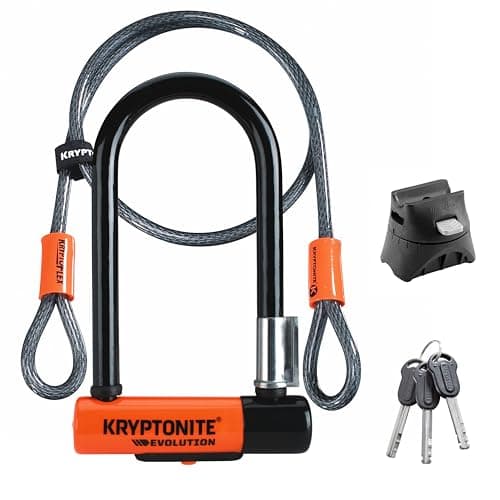
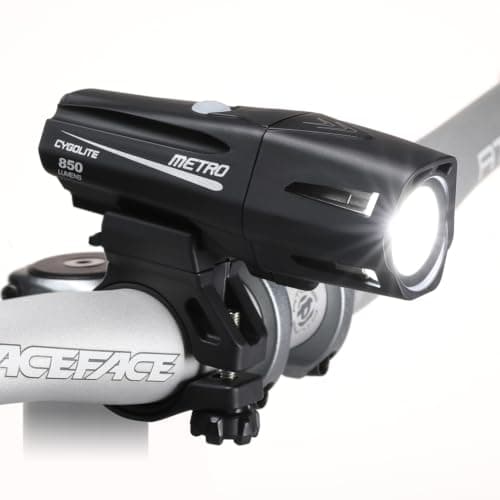
If you buy nothing else, buy a lock. An e-bike is a heavier, more valuable, more stealable target than a normal bike, and a cable lock is theater. A hardened U-lock or a Sold Secure-rated folding lock is the single highest-return accessory there is — start with the best e-bike locks. Next, lights: at 20 mph you close on hazards fast and drivers need to see you sooner, so a bright, USB-rechargeable front and rear set earns its place — see the best e-bike lights.
Next come the upgrades that make the bike genuinely usable rather than just safe: a phone mount so navigation is a glance instead of a stop, a rack or basket so you can carry groceries, a mirrorso you know what is behind you at 20 mph, and the comfort parts— saddle, grips, seatpost — that decide whether you actually keep riding.
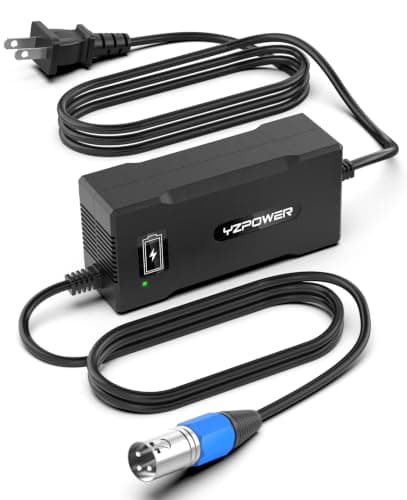
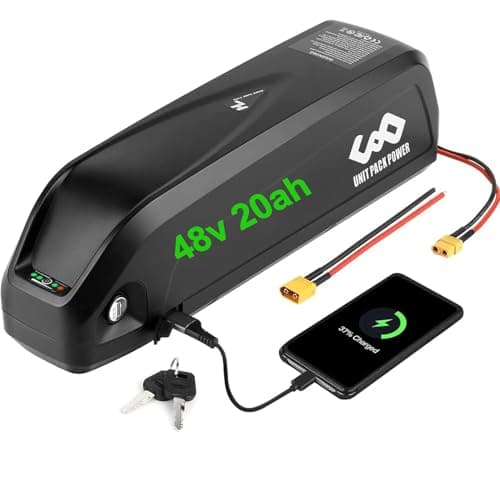
After that it is about keeping the bike running. A spare or faster charger halves your downtime, and a replacement or range-extending batterycan bring a tired bike back to life — but both are safety-sensitive purchases where matching the voltage and connector, and insisting on certification, matters more than saving a few dollars. And puncture-resistant tires are the upgrade that pays you back in flats you never have to fix on the side of the road.
The safety rule we won’t bend on
Two of these categories — chargers and batteries — carry real risk if you get them wrong. Lithium-ion battery fires are the reason the U.S. Consumer Product Safety Commission runs a whole micromobility safety program, and its guidance is blunt: buy packs and bikes certified to the relevant UL standard (UL 2849 for e-bikes, UL 2271/2272 for batteries), and never charge an uncertified pack unattended. We flag certification on every charger and battery pick, we tell you exactly what has to match your bike, and where a listing does not state a safety listing, we say that too. When in doubt, buy the charger or battery your bike’s maker sells.
If you only read one page here
Make it what to buy first. It takes the categories above and puts them in the order that actually matters on a brand-new bike — lock, then front light, then mirror, then saddle — with an honest list of what you can safely put off until you know how you really use the thing.
Keeping the bike running, and getting it there
Five categories sit alongside the ones above because they solve the problems that arrive once you are actually riding daily. Fenders decide whether you still ride in October, and they keep wet grit out of a drivetrain an e-bike motor is already working hard. Pumps and inflators matter more here than on a bicycle, because a fat tire is a volume problem rather than a pressure one. Tool kits cover the re-torque check every boxed e-bike needs in its first week. Bike computerstell you what speed you are really doing, which your bike’s own display often does not. And covers are the cheapest protection there is for a bike that has to live outside.
Theft, transport and the bike you already own
Three more, for the problems that are specific to owning something this heavy and this desirable. Trackers are the recovery half of the theft question our lock picks answer from the prevention side. Car racksexist because a 70 lb bike will not go on a strap rack, and the rack you need is decided by weight and tire width rather than by price. The same weight problem decides where the bike lives at home, which is why storage racks get their own page — most bike hooks and stands are rated for something half the weight of an e-bike. And conversion kits are the most on-brand page on this site: sometimes the cheapest honest route to an e-bike is the bicycle already in your shed.
Upgrades as gifts
Most of this section doubles as the best gift list in cycling, because upgrades fix problems riders have been putting up with rather than adding things they did not ask for. If you are buying for someone else, cycling gifts under $50 and gifts under $150 pull the picks from these pages into budget bands and add the one thing a roundup does not need to say: which of them you can buy without knowing anything about their bike. Batteries, chargers and tires are the three to never buy blind. And if you are wondering whether to buy now or wait, our Black Friday page covers why accessory prices move all year and a November date is rarely the reason to delay.
New this month: bundles and winter
Two additions, both answering questions the pages above raise and do not settle. Conversion kits with a battery exists because almost no kit includes the pack, which is the most expensive part of a conversion: it pairs each kit with a battery and a charger and sets out the four things that have to match between them. And winter e-bike gear puts the seasonal purchases in the order that actually stops people riding — fenders sized to your tires, lights for a 4:30 sunset, something reflective, and a cover if the bike lives outdoors — and is honest about the one item we do not have a pick for.
Water, and working on the thing
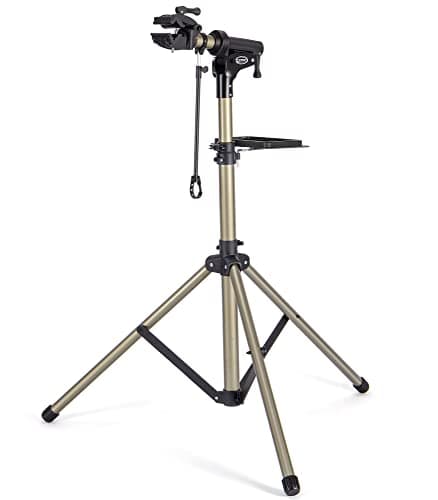
Two more pages, both about a problem an e-bike creates that a bicycle does not. Water bottles and cages covers the bottle, but the reason it needs a page is the mount: on most value e-bikes the battery occupies the downtube where the cage bosses should be, so the page ranks band clamps and handlebar holders on a published maximum load alongside the bottles themselves. And repair standsexists because the popular work stands are rated for a 25 lb road bike — put a 70 lb e-bike in one and you have a tipping hazard rather than a workbench. That page ranks stands on the maximum bike weight each maker publishes, and names the two that do not clear the bikes we recommend.
Keeping it running, and carrying things with it
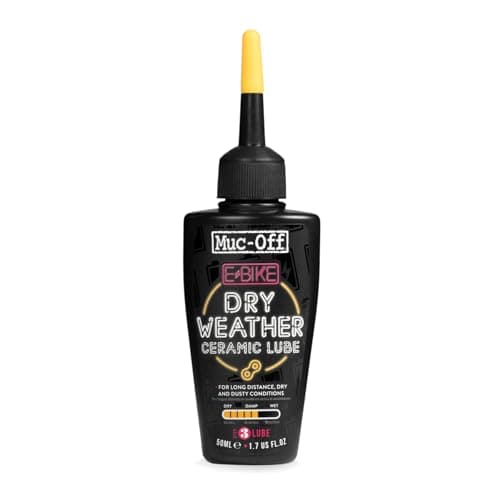
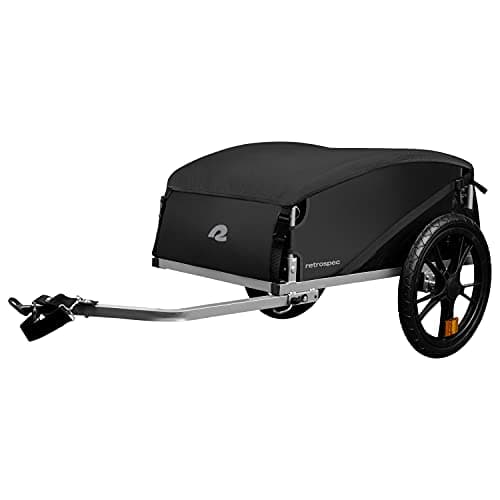
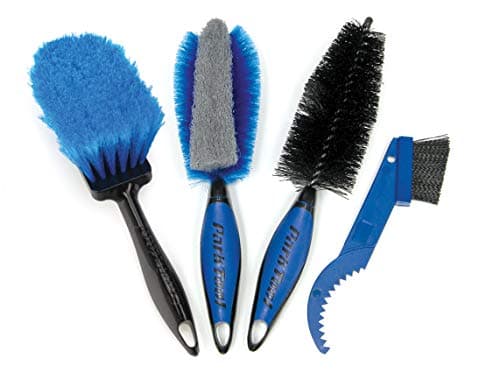
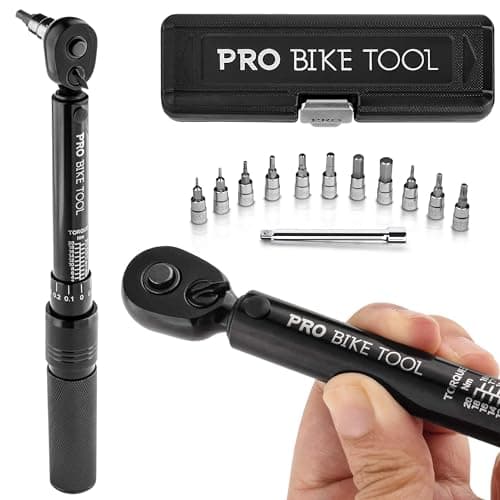
Four more pages cover the consumables and the one accessory that changes what the bike is for. Chain lube is the cheapest maintenance there is and the category where only two brands put an e-bike claim on the label at all. Cleaning kitsexists because the usual advice — hose it down — is how a hub motor and a battery contact get ruined, so the page ranks kits on contents and sets out the bucket routine instead. Torque wrenches compares four on their published range in Nm, because a bike wants roughly 3 to 20 Nm and a car wrench cannot be set that low. And bike trailersis the most on-brand upgrade on the site: a $130 trailer behind a $900 e-bike publishes 80 to 275 lb of capacity and does what a $2,000 cargo bike does.
Added this month: the Bafang kits, side by side
Conversion kits are the most-read thing in this section, and the question that arrives with them is never about watts — it is whether the kit fits the bike in the garage. Bafang conversion kits compared puts the two Bafang kits and the cheaper geared alternative in one table on the only specs that are published: wheel sizes, rear dropout spacing, motor type and what is in the box. The two Bafang kits are not interchangeable — one is standard-frame, the other is 175 mm for a fat frame — and none of the three includes a battery.
New: the three cockpit and parking jobs nobody writes about
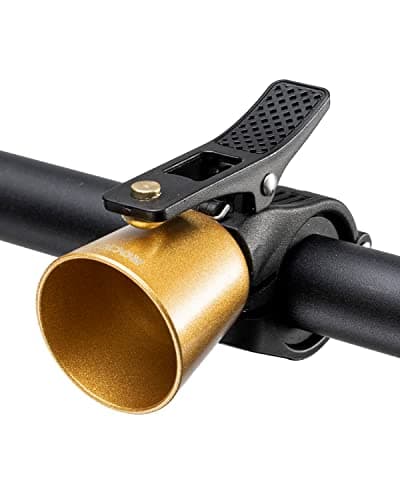
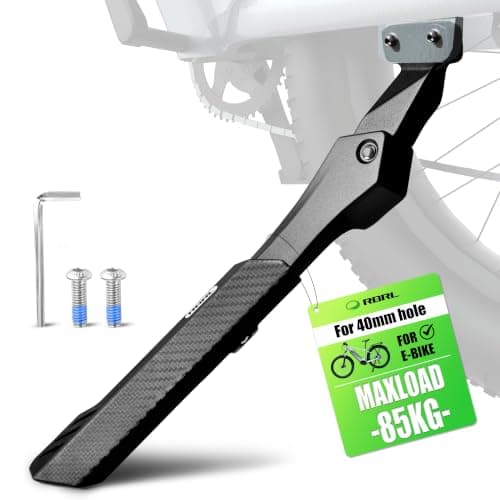
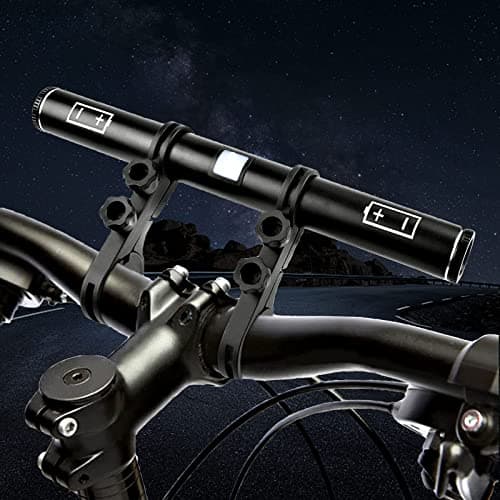
Three pages added this week, all of them answers to questions that only exist because this bike is heavy, fast and electric. Bells and hornsstarts from the discovery that not one horn listing publishes the distance its decibel figure was measured at, so it ranks on handlebar fit, power source and whether the sound is legal — bicycle equipment law asks for a signal audible at 100 feet and expressly bans sirens, which several of these horns ship as a mode. Kickstandsis decided before you read a single review, by the distance between two bolt holes on your chainstay plate: 18 mm or 40 mm, and the wrong one does not bolt on. The page also records that only two of five stands publish a load capacity at all, and that the one sold hardest as heavy duty publishes 77 lb — 2 lb more than the Heybike Mars 2.0 weighs empty. And USB chargers and handlebar power answers the question people actually type, which is whether a pack can be charged over USB-C. It cannot, and the page shows the voltage and watt-hour arithmetic before splitting the real options into self-contained power banks and hardwired taps.
Everything in Upgrades
Best E-Bike Locks
An e-bike is a theft magnet — the locks that actually slow a thief down, by security rating and weight.
Our top pick
Kryptonite Evolution Mini-7 U-Lock
Best E-Bike Lights
High-lumen front and rear lights that keep you visible at e-bike speeds, USB-rechargeable and mounted in seconds.
Our top pick
Cygolite Metro 850 Plus Headlight
$52.95 · View on AmazonPrice as of October 22, 2026. #ad How we’re funded
Best E-Bike Chargers
Replacement and faster chargers — how to match voltage and connector safely, and why UL-listed matters.
Our top pick
YZPOWER 54.6V 4A XLR Charger (48V packs)
$37.58 · View on AmazonPrice as of October 22, 2026. #ad How we’re funded
Best E-Bike Batteries
Replacement and range-extender batteries — how to match your bike, and the certification to insist on.
Our top pick
Unit Pack Power 48V Hailong Battery
$247.00 · View on AmazonPrice as of October 22, 2026. #ad How we’re funded
Best E-Bike Tires
Puncture-resistant and fat tires rated for e-bike speeds and weight — fewer flats, more grip.
Our top pick
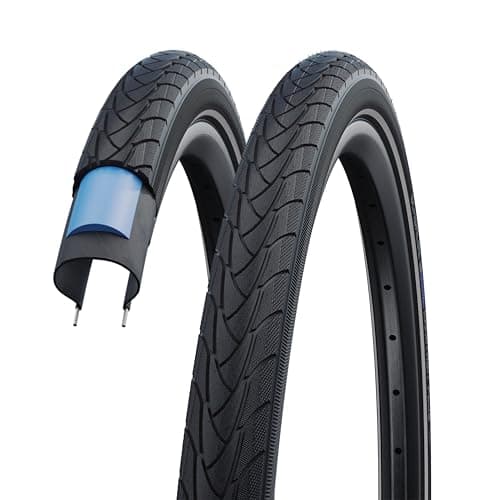
Schwalbe Marathon Plus
Best E-Bike Phone Mounts
Your phone is the navigation and the speedometer — the mounts that survive e-bike vibration and keep it there.
Our top pick
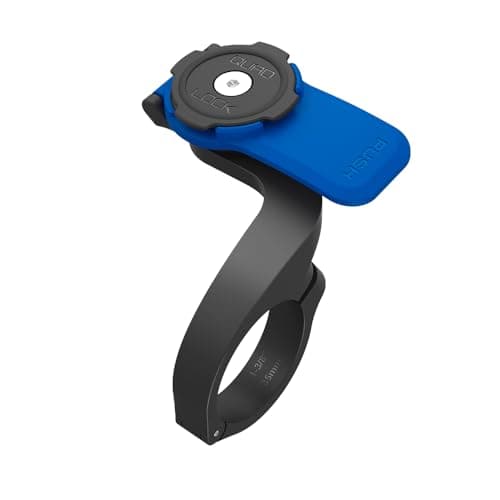
Quad Lock Out Front Handlebar Mount (V3)
$39.99 · View on AmazonPrice as of October 22, 2026. #ad How we’re funded
Best E-Bike Racks & Panniers
Turn an e-bike into transport — disc-brake-compatible racks, rain-covered bags and steel front baskets.
Our top pick
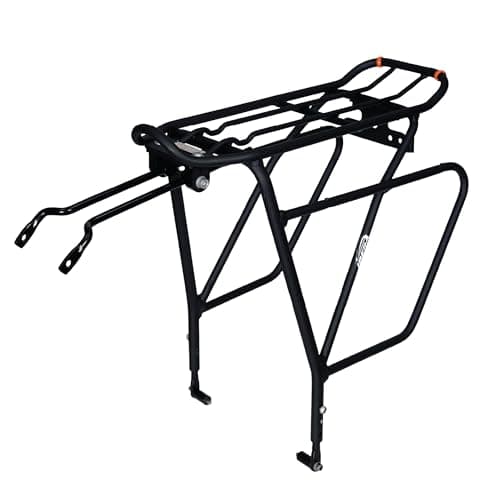
Ibera PakRak Touring Carrier Plus+
$49.99 · View on AmazonPrice as of October 22, 2026. #ad How we’re funded
Best E-Bike Mirrors
At 20 mph a shoulder check costs you the road ahead. Bar-end and handlebar mirrors that stay adjusted.
Our top pick
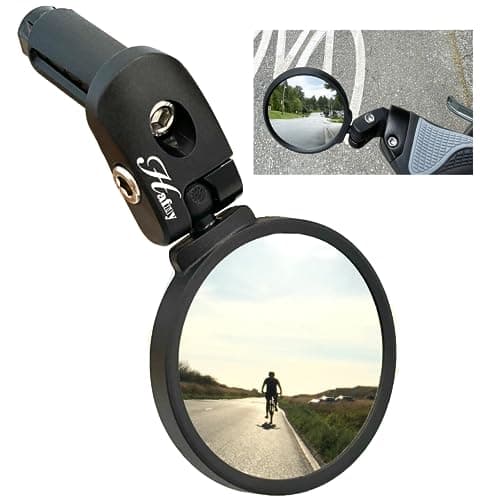
Hafny Bar End Mirror (62 mm)
$15.99 · View on AmazonPrice as of October 22, 2026. #ad How we’re funded
Best E-Bike Comfort Upgrades
Saddles, ergonomic grips and suspension seatposts — the cheap parts that decide whether you keep riding.
Our top pick
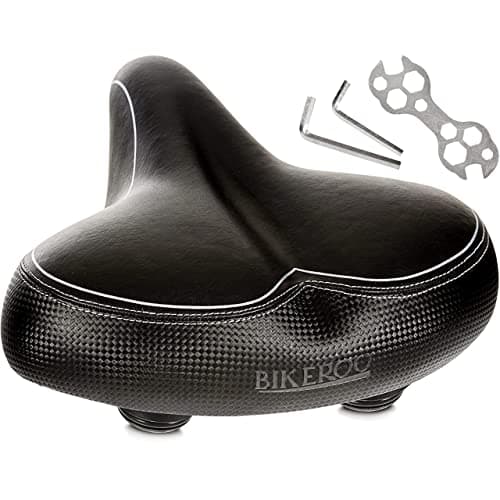
Bikeroo Wide Cruiser Comfort Saddle
$14.49 · View on AmazonPrice as of October 22, 2026. #ad How we’re funded
Best E-Bike Accessories
Four accessories in the order that actually matters on a new e-bike — and the ones you can safely put off.
Our top pick
Kryptonite Evolution Mini-7 U-Lock
Best Bike Computers for E-Bikes
Your e-bike's display reports what the controller thinks. A computer reports what actually happened — GPS and magnet picks compared.
Our top pick
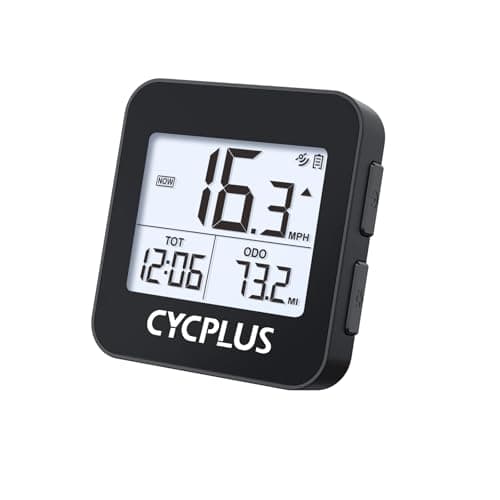
CYCPLUS G1 Wireless GPS Bike Computer
Best E-Bike Fenders
The cheapest upgrade that decides whether you ride in autumn — fat-tire, plus-size and 700c sets that actually fit.
Our top pick
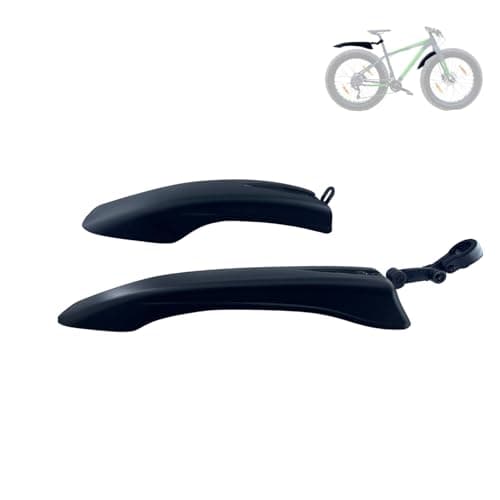
ZSYALY Fat Bike Front and Rear Mudguard Set
Best Bike Pumps for E-Bikes
Fat tires need volume, not pressure. Floor pumps and cordless inflators compared on the valve, the gauge and the effort.
Our top pick
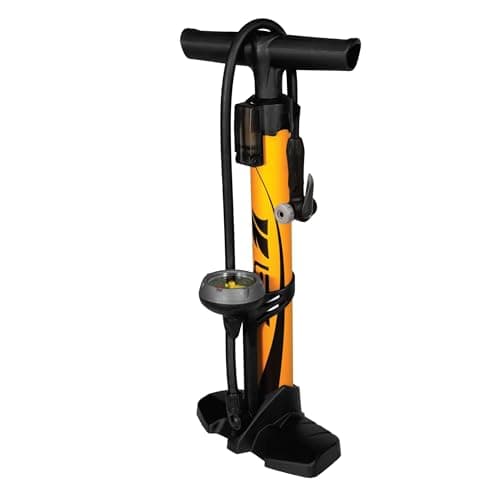
BV Steel Floor Pump with Gauge
Best E-Bike Trackers
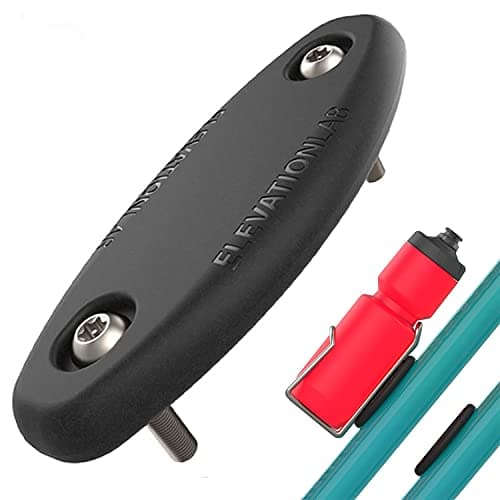
A lock buys time; a tracker buys the bike back. Hidden Find My mounts compared, with the honest limits of crowd-sourced tracking.
Our top pick
Elevation Lab AirTag Bike Security Mount
$19.99 · View on AmazonPrice as of October 22, 2026. #ad How we’re funded
Best Car Racks for E-Bikes
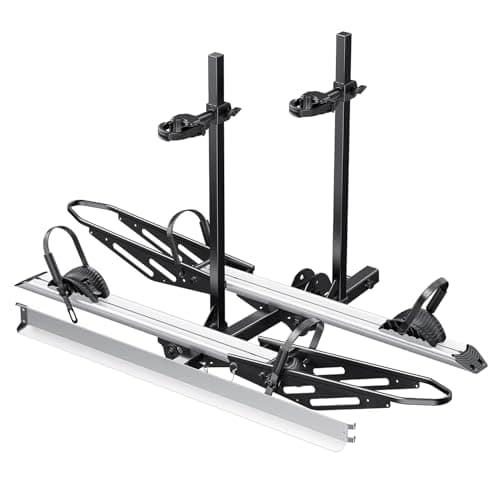
A 70 lb bike will not go on a strap rack. Hitch racks with ramps, compared on capacity, receiver size and fat-tire fit.
Our top pick
Young Electric 2-Bike Hitch Rack with Ramp (200 lb)
Best Bike Tool Kits for E-Bikes
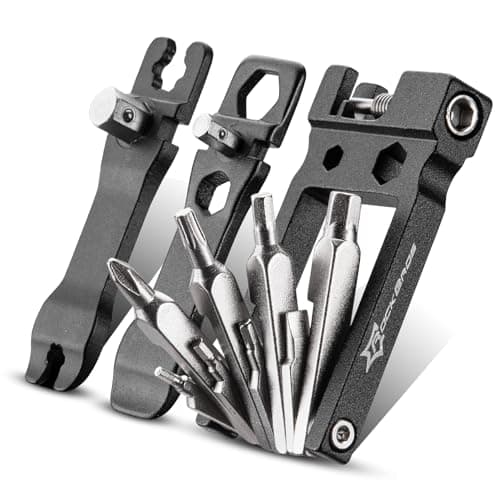
The hex keys, tire levers and chain tool that turn a boxed e-bike into a maintained one — carry kits and home kits.
Our top pick
ROCKBROS 20-in-1 Bike Multi-Tool
$14.99 · View on AmazonPrice as of October 22, 2026. #ad How we’re funded
Best E-Bike Covers
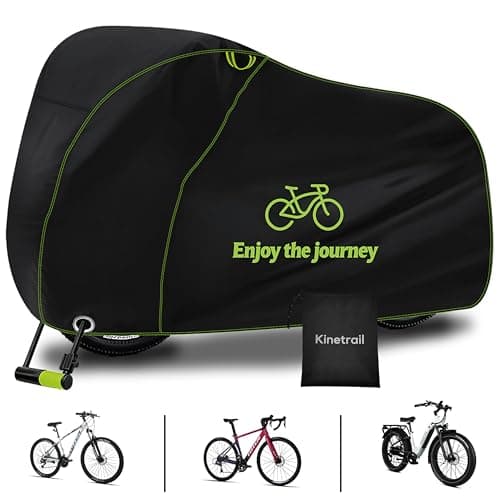
If the bike lives outside, a $15 cover protects the most expensive part of it. Lock holes, fabric weight and what covers cannot do.
Our top pick
Kinetrail Waterproof E-Bike Cover (1 Bike)
Best E-Bike Conversion Kits
The cheapest honest route to an e-bike is often the bike in your shed. Hub-motor kits compared, with the battery cost nobody quotes.
Our top pick
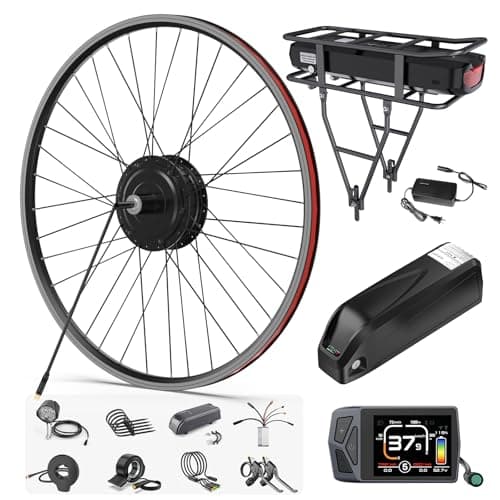
Bafang 48V 500W/750W Rear Hub Motor Kit
$216.66 · View on AmazonPrice as of October 22, 2026. #ad How we’re funded
Best E-Bike Storage Racks
Most bike storage is rated for a 25 lb road bike. The wall, floor and ceiling options whose published limit clears a 60 to 75 lb e-bike.
Our top pick
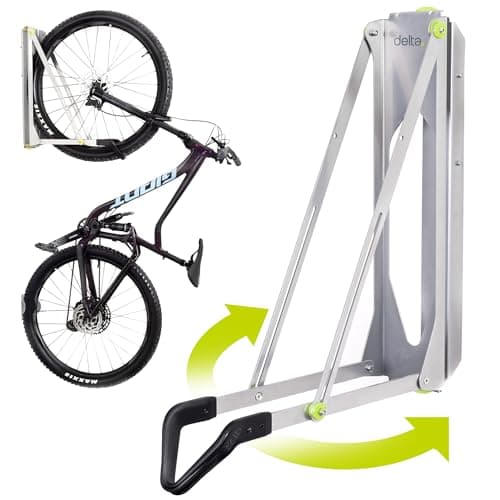
Delta Cycle Pivot Bike Storage Rack
$62.13 · View on AmazonPrice as of October 22, 2026. #ad How we’re funded
Best E-Bike Conversion Kits With a Battery
Almost no kit includes the pack. The two-part bundles that actually work, what a complete conversion really costs, and the connector check to do before you order.
Our top pick
Bafang 48V 500W/750W Rear Hub Motor Kit
$216.66 · View on AmazonPrice as of October 22, 2026. #ad How we’re funded
Best Winter E-Bike Gear
Four items decide whether a value e-bike is still ridden in January: full fenders, real lights, gloves that work a throttle, and a cover if it lives outside.
Our top pick
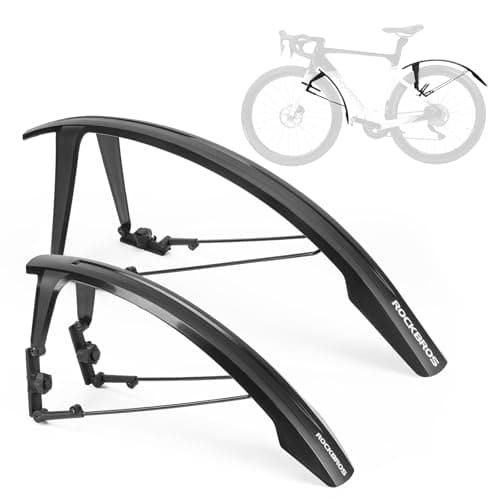
ROCKBROS Adjustable Bike Fender Set
$39.99 · View on AmazonPrice as of October 22, 2026. #ad How we’re funded
Best Cycling Water Bottles & Cages
The bottle is the easy part. On a value e-bike the battery sits where the cage bosses should be - so this page covers the mount as well as the bottle.
Our top pick
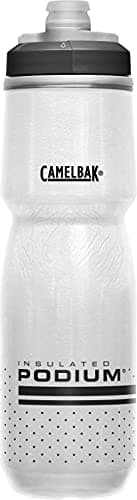
CamelBak Podium Chill 24 oz Bottle
Best Bike Repair Stands for E-Bikes
Most work stands are rated for a 25 lb road bike. The stands whose published maximum weight actually clears a 60 to 75 lb e-bike.
Our top pick
CXWXC 88 lb E-Bike Repair Stand
$99.98 · View on AmazonPrice as of October 22, 2026. #ad How we’re funded
Best Chain Lube for an E-Bike
A motor and a rider push the same chain, so it wears faster. The two lubes that say so on the label, plus the wet and wax alternatives.
Our top pick
Muc-Off eBike Dry Weather Chain Lube (Ceramic, 50 ml)
$8.49 · View on AmazonPrice as of October 22, 2026. #ad How we’re funded
Best Bike Trailers for E-Bikes
A trailer turns a $900 e-bike into a cargo bike for a fraction of a cargo bike's price. Ranked on published load capacity and hitch fit.
Our top pick
Retrospec Rover Hauler Cargo Bike Trailer
Best Bike Cleaning Kits for E-Bikes
You cannot hose down an e-bike. The kits that clean a drivetrain properly, and the technique that keeps water out of the motor.
Our top pick
Park Tool BCB-4 Bike Cleaning Brush Set
Best Torque Wrenches for Bikes
A bike wants roughly 3 to 20 Nm. Four wrenches compared on published range, because one that starts too high or stops too low is the wrong tool.
Our top pick
PRO BIKE TOOL 1/4 in Drive Torque Wrench Set (2.2-16.9 Nm)
$59.99 · View on AmazonPrice as of October 22, 2026. #ad How we’re funded
Bafang Conversion Kits Compared
Two Bafang kits that are not interchangeable - one for a standard frame, one for a fat frame at 175 mm - plus the cheaper geared kit that freewheels.
Our top pick
Bafang 48V 500W/750W Rear Hub Motor Kit
$216.66 · View on AmazonPrice as of October 22, 2026. #ad How we’re funded
Best E-Bike Bells and Horns
Every listing shouts a decibel number and none publishes the distance it was measured at. Ranked on bar fit, power and whether the sound is legal.
Our top pick
ROCKBROS Classic Brass Alloy Bike Bell
Best E-Bike Kickstands
A 70 lb bike on a bicycle kickstand falls over. Ranked on bolt-hole spacing first - because the wrong spacing cannot be fitted - then on published load.
Our top pick
RBRL E-Bike Kickstand (rear side stand, 187 lb, 1.57 in 2-hole mount)
$21.95 · View on AmazonPrice as of October 22, 2026. #ad How we’re funded
E-Bike USB Chargers and Handlebar Power
No, you cannot charge the pack over USB-C - the arithmetic says so. What you can do is get a charging port on the bar, two honest ways.
Our top pick
RAYCCI Handlebar Extender with 4000 mAh Power Bank (8.2 in)
$19.88 · View on AmazonPrice as of October 22, 2026. #ad How we’re funded