Apparel & Gear
The cycling gear that earns its place — helmets, shoes and gloves compared on safety rating, fit and value, not brand hype.
Cycling apparel is the category where the gap between price and value is widest — and where a value buyer can win biggest. A helmet that passes the exact same federal safety test can cost $45 or $250; a pair of cycling shoes that transfers power just as efficiently can cost a third of the boutique price. The trick is knowing which specs are safety-critical and which are just marketing, so you spend on the former and skip the latter. That is what this section is for.
Unlike big e-bikes, apparel is squarely Amazon territory: the good value helmets, shoes and gloves are all there at real prices, so every roundup here leads with a pick you can buy immediately. And every recommendation is anchored to something checkable — a helmet’s certification and whether it has MIPS, a shoe’s sole stiffness and cleat compatibility, a glove’s padding — not a brand’s reputation.
Helmets: the one thing worth getting right
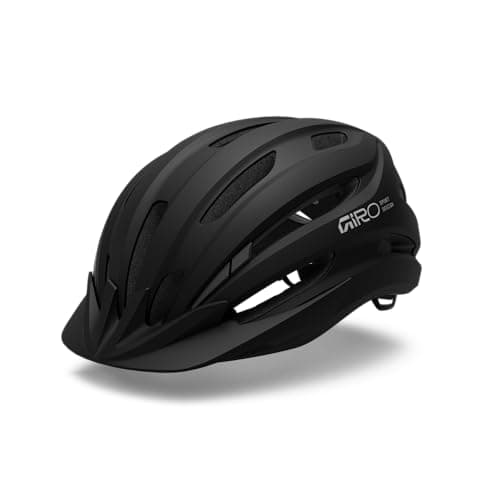
Every bike helmet sold in the U.S. must pass the CPSC 16 CFR 1203 impact standard, so a certified $50 helmet protects your skull about as well as a certified $250 one in a straight-on impact. What you can pay a little more for is MIPS— a low-friction liner that helps redirect the rotational force in an angled crash, which is how most real crashes happen. A MIPS helmet at $50–70 is the value sweet spot, and our best cycling helmets roundup explains exactly where it is worth it and where a plain certified lid is fine.
Shoes and gloves: comfort you feel every ride
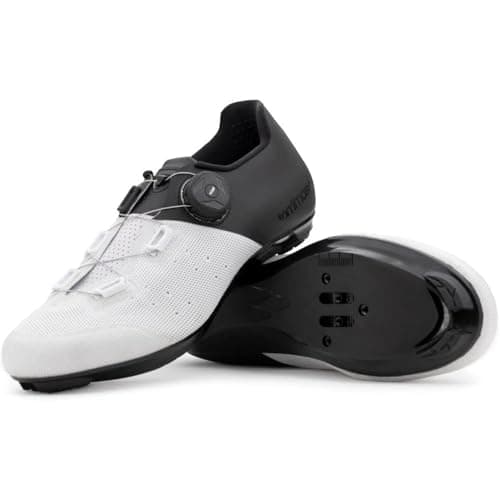
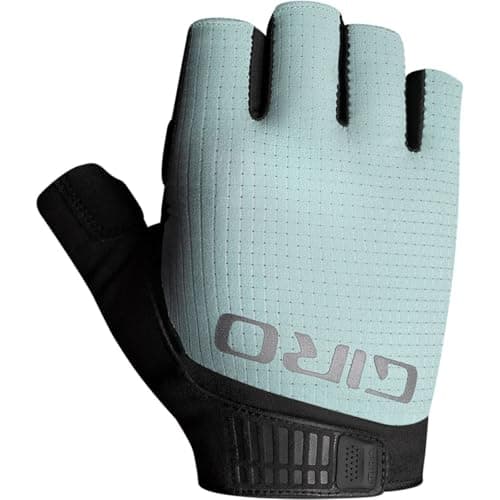
Cycling shoesare about a stiff sole that stops your foot flexing and wasting power, plus a cleat system that matches your pedals — and a value shoe with a universal cleat plate covers a spin bike and a road bike for a fraction of the name-brand price. Gloves are the cheapest fix for the hand numbness that ruins longer rides: gel padding across the palm, and a decent closure so they stay put. Neither is an expensive category, and both make a bigger day-to-day difference than most people expect.
The rest of the kit
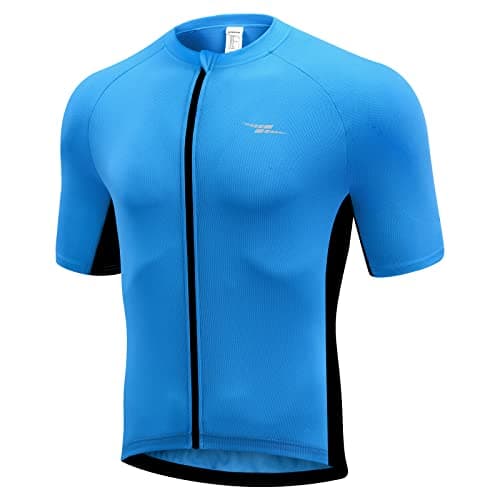
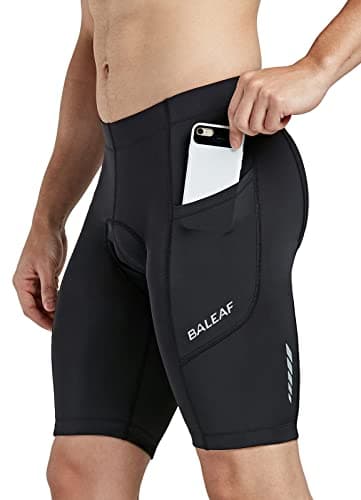
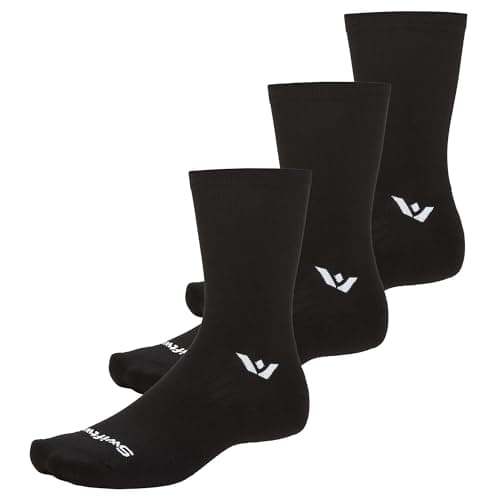
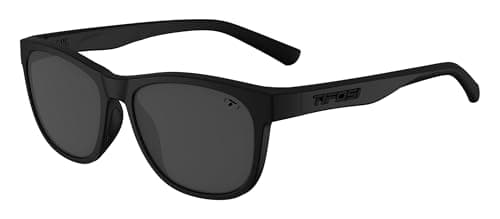
Beyond the big three, the clothing that changes how a longer ride feels is cheap and specific. A cycling jerseyis really a shirt with three rear pockets and a full zip — the two details that make it useful. Padded shorts and bibs do more for saddle comfort than any seat you can buy. Cycling socks are the cheapest kit you own and the one you notice every ride, and sunglassesare eye protection first — at 20 mph they are what keeps grit and insects out of your eyes.
None of this is a substitute for the two upgrades that keep you safest on a faster e-bike — a proper lock and bright lights. Think of apparel as the comfort layer on top of that safety base.
New to this and not sure what you actually need? What to wear cycling is the short version: three things worth buying, in order, a plain guide to dressing for the temperature, and an honest account of what the shops will try to sell you that you can skip.
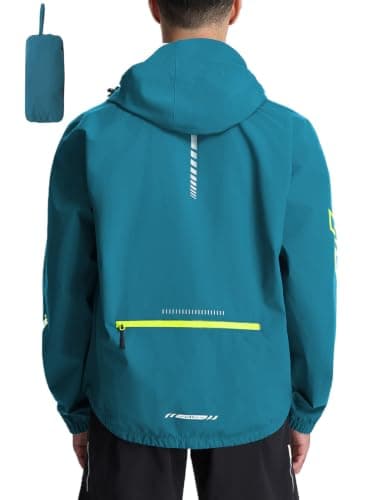
Two more pages cover the weather and the dark, which is when most commuting actually happens. Cycling rain jackets separates the three claims that get bundled into the word waterproof, and picks the value shells that get the trade right. Reflective gearis the cheapest safety spend on the site — lights make you visible from in front and behind, and reflective material is what makes you visible from the side, where the junction traffic is.
Buying any of this for someone else
Apparel is the one section where gift buying gets genuinely risky, because almost everything here is sized. Our gift guides work around that — they lean on the universal categories, and they are explicit about the one measurement that makes a helmet safe to buy for someone else. If you are shopping for a rider who commutes, gifts for bike commuters puts visibility first for the same reason this section does.
Everything in Apparel
Best Cycling Helmets
Safety-certified helmets at every price — what MIPS actually does, and where a $50 lid is all you need.
Our top pick
Giro Register MIPS II
$84.95 · View on AmazonPrice as of October 22, 2026. #ad How we’re funded
Best Cycling Shoes
Road, indoor and commuter cycling shoes compared on stiffness, cleat system and value.
Our top pick
Tommaso Pista Road Shoe
$79.99 · View on AmazonPrice as of October 22, 2026. #ad How we’re funded
Best Cycling Gloves
Padded gloves that cut hand fatigue and numbness on longer rides — gel, half- and full-finger picks.
Our top pick
Giro Bravo II Gel
Best Cycling Jerseys
A jersey is a t-shirt with three pockets and a zip — the value picks that get those fundamentals right.
Our top pick
Przewalski Full-Zip Cycling Jersey
$27.99 · View on AmazonPrice as of October 22, 2026. #ad How we’re funded
Best Cycling Shorts & Bibs
Padded shorts do more for saddle comfort than any seat you can buy. Shorts and bibs compared on the chamois.
Our top pick
Baleaf Padded Bike Shorts (UPF 50+)
$34.99 · View on AmazonPrice as of October 22, 2026. #ad How we’re funded
Best Cycling Socks
The cheapest kit you own and the one you notice every ride — including waterproof socks for wet commutes.
Our top pick
Swiftwick Aspire Seven Cycling Socks (3 pairs)
$51.00 · View on AmazonPrice as of October 22, 2026. #ad How we’re funded
Best Cycling Sunglasses
Eye protection first, sun protection second — coverage, UV400 and polarization explained, with value picks.
What to Wear Cycling: A Beginner's Guide
Head to toe, in the order worth buying — what you actually need on your first rides, and what the shops will try to sell you.
Our top pick
Giro Register MIPS II
$84.95 · View on AmazonPrice as of October 22, 2026. #ad How we’re funded
Best Cycling Rain Jackets
Waterproof, windproof and breathable are three different claims. The value shells that get the trade right for commuting.
Our top pick
Baleaf Men's Packable Cycling Rain Jacket
$55.99 · View on AmazonPrice as of October 22, 2026. #ad How we’re funded
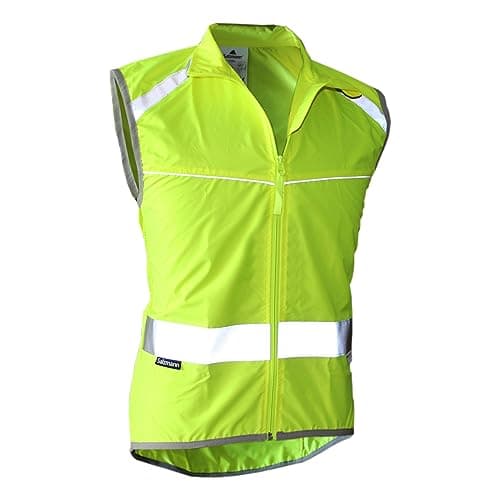
Best Reflective Cycling Gear
Lights make you visible from in front and behind. Reflective gear makes you visible from the side — for a few dollars.
Our top pick
Salzmann Reflective Hi-Vis Vest