How we picked
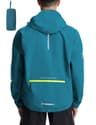
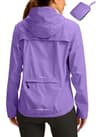
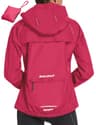
Cut came first, because it is what separates a cycling jacket from a walking one: a longer tail that covers your lower back in a forward riding position, and sleeves cut long enough that they do not ride up your forearms when you reach for the bars. Then packability, since a jacket that lives in the pannier is worth more than a better one at home, visibility, and finally price. We have not ridden every one of these; this is exactly what we do instead.
Waterproof versus water-resistant
Water-resistantjackets have a surface treatment that beads light rain. They are comfortable and breathable, and they wet through in a sustained downpour — fine for a ten-minute commute in a shower, not for forty minutes of steady rain.
Waterproof jackets have a membrane or coating that water cannot pass through at all. They keep you dry from outside and, inevitably, damper from inside, because your own moisture has to get out through the same barrier. That is not a defect in a budget jacket; it is physics, and the expensive jackets manage it slightly better rather than solving it.
The practical answer is ventilation and pacing rather than spending. Pit zips or a mesh back help. So does dropping an assist level for the last mile so you arrive cool. And so does accepting that on the wettest days you will be a little damp either way — the goal is not being soaked and cold.
Fit on a bike is not fit on the sidewalk
A high street rain jacket has a straight hem and short sleeves designed for standing upright. Lean forward onto handlebars and the hem rides up, exposing your lower back to exactly the water your rear fender is throwing at it.
Look for a dropped tail, longer sleeves with elastic or velcro cuffs that seal against gloves, and a collar that closes without choking you in a riding position. Hoods are a genuine trade: useless under a helmet at speed, invaluable for walking from the bike rack to the office. A hood that rolls into the collar is the compromise most commuters end up preferring.
Be visible, then be reflective
Rain and low light arrive together, and a dark jacket in gray drizzle is close to invisible from the side. Fluorescent color works in daylight; reflective detailing works at night when headlights hit it. Neither works in the dark without lights, which is why the reflective trim on a jacket is a supplement to proper lights and never a substitute.
If your wet rides are also your dark rides, a jacket with reflective detailing does two jobs at once. For the side-on visibility that lights and jackets both struggle with, add ankle bands from our reflective gear roundup — movement is what a driver’s eye actually registers.
Looking after it, and what it does not cover
Waterproof jackets stop working when they get dirty, not when they get old. Road grime and body oils break down the surface treatment, so a jacket that has started wetting out usually needs washing rather than replacing — wash it per the label, and re-proof it with a wash-in treatment when water stops beading.
One honest limitation: a jacket keeps your top half dry and does nothing for your legs, feet or hands, which is where most wet-commute misery actually lives. Fenders help more than a better jacket would. Our what to wear guide covers the rest of the kit in the order worth buying it, and riding an e-bike in the rain covers what the weather does to the bike rather than to you.