Guides & Comparisons
The buying guides and comparisons that answer the real questions — what a bike costs to run, whether budget e-bikes are worth it, and how e-bikes stack up against the alternatives.
The roundups tell you which bike to buy. These guides answer the questions that come before and after that decision — the ones that actually determine whether you are happy with an e-bike a year later. How much does it really cost to run? Is a $900 e-bike a bargain or a false economy? Is it legal to ride where you want to ride, and do you need a license? Those are not marketing questions, so no manufacturer answers them honestly. We do, with the arithmetic and the sources shown.
The one number nobody else publishes
Our flagship guide is the boring, powerful one: how much it costs to charge an e-bike. We take the battery’s watt-hours, the current U.S. average electricity rate, and compute the cost of a full charge, the cost per year, and the cost per mile — with the math laid out so you can plug in your own bike and your own power bill. It is the number that turns “an e-bike feels cheap to run” into a figure you can compare against a car, and in our survey of the ranking value-e-bike publishers, not one of them publishes it.
Before you buy
If you are new to this, start with what makes a good starter e-bike — the specs that matter, the ones that do not, and a sensible budget. Then read the honest counter-argument: are budget e-bikes actually worth it? — where cheap bikes cut corners, where it genuinely does not matter, and who should just spend more. And before you ride anywhere, the 3-class system and the laws explain what Class 1, 2 and 3 mean, the speed limits, and whether you need a license or insurance.
Living with the bike
The guides people actually come back to are the practical ones. Range explainedcovers why the “up to 60 miles” claim is never what you get and the watt-hour math that is; battery care is how you make a pack last years rather than seasons; and hub vs mid-drive settles the motor question in plain English. For day-to-day ownership there is how to lock an e-bike (technique matters as much as the lock), a maintenance checklist built around the fact that e-bikes eat chains and brakes faster, and a guide to riding through winter.
E-bike vs everything else
A lot of people considering an e-bike are really weighing it against something else — a moped, a car, or just staying on foot. Our e-bike vs mopedcomparison settles the speed, licensing, cost and where-it’s-legal questions side by side, and cycling vs runninglooks at the fitness trade — calories, joint impact, and how an e-bike changes the equation for people who want the exercise without the wall. We run the same side-by-side for motorcycles, cars, electric scooters, mountain bikes and the endlessly-confused throttle vs pedal assist question — plus walking, the treadmill and the elliptical for the fitness side, and spinning for the studio-versus-outdoors question. When a guide reaches a buying decision, it links straight through to the value roundup that answers it.
The spec sheet, decoded
Budget e-bike listings are at their least honest about the numbers, so four guides exist purely to translate them. Motor power explained separates rated watts from peak watts and works out how many you actually need. Brakes explainedcovers mechanical versus hydraulic disc and why a 70 lb bike at 20 mph asks more of them than a bicycle does. How much do e-bikes weigh? puts the published weight of every bike we cover in one table — including the two manufacturers who decline to print one. And the assembly guide explains what actually arrives in the box and the re-torque check that almost every instruction sheet leaves out.
Two more comparisons round out the decision. E-bike vs hybrid bikeis the honest version of “is the motor worth three times the price?” — sometimes it is not. And e-bikes vs e-motos explains why bike paths are tightening their rules, and how to tell from a listing which side of the legal line you are buying.
Cost, speed and the questions people actually ask
Five guides answer the questions that come up before and just after a purchase. How much does an e-bike cost? covers what each price bracket buys and the accessories and consumables that make up a realistic first year. How long do e-bike batteries last? is the depreciation nobody puts in the listing. How fast do e-bikes go? explains 20 and 28 mph in plain terms, and why your display probably disagrees. Where to buy an e-bike compares Amazon, direct-to-consumer, big-box and the local shop, and value e-bike brands covers which names are worth buying and the four questions that separate them. Buying a used e-bike is the other half of that decision: the battery is most of the value and you cannot see it, so the guide covers the free serial check to run before you travel, the loaded test ride that exposes a weak pack, and the arithmetic that decides whether a used bargain beats a new bike at the bottom of the market.
Living with it, day to day
The practical set covers the rest. Tire pressure is the free upgrade almost nobody uses; riding in the rain covers what water does and does not do to a budget e-bike; and e-bike insurance sets out what your existing policy probably does not cover, with nothing to sell you. E-bikes for kids is the honest version of a question with a lot of bad answers online. And on the fitness side, cycling for weight loss and cycling vs rowing round out the comparisons.
Riding it: safety, commuting, errands and small apartments
The newest set answers the questions that start once the bike is chosen. E-bike vs regular bike is the comparison most people make first, with the research on exercise and the honest cost sheet. E-bike safety tips puts speed, braking, visibility, predictability, the battery and the lock in the order they reduce risk, and do you need a special e-bike helmet? explains the CPSC standard, the European one written for 28 mph, and what MIPS does. Commuting to work by e-bike is the working checklist — round-trip watt-hours, arriving dry, charging at the office, weather and the lock — and using an e-bike for grocery shopping and errands covers where the weight goes, what the load limit includes and the ten-minute lock-up. E-bikes in an apartment is for everyone without a garage: stairs, floor space, a shared hallway and charging in the room you sleep in.
New this month: converting, keeping and fixing
Six guides added in October, in three pairs. On converting a bike you already own: how to convert a mountain bike to electric covers the six measurements that decide whether a kit will fit, and are conversion kits worth it does the arithmetic against buying a complete certified bike.
On keeping the bike: winter storage covers where the battery goes (not where the bike goes) and at what charge, and what to do if your e-bike is stolen sets out the first hour in order, with the honest recovery numbers. And on fixing it: fixing a flat on an e-bike explains why a rear hub-motor wheel is a different job, while an e-bike that will not turn on works from the cheapest cause to the most expensive — starting with the second power switch most value e-bikes have.
Deciding, and one job worth doing right
Three guides for the stage before you buy. E-bike alternatives puts a car, a bicycle, a scooter, a moped and a transit pass side by side with running costs and licensing, because the choice is rarely between an e-bike and one other thing. E-bike pros and consis the full ledger — the hills and the cents-per-charge against the weight, the theft risk, the battery clock and the maintenance bill. And e-bikes at Walmart is for anyone standing in a big-box aisle: the four figures to find on the box, and how to compare a shelf price against a live online one. Once the bike is yours, how to lube an e-bike chain is six minutes a month and the highest-return thing you can do for a drivetrain that a motor is helping to wear out.
Added this month: six questions we had no page for
Three on the battery. How long does a charge take works it out from watt-hours and charger amps for every pack size we list, and explains why the last 20% is so slow. Are e-bike batteries interchangeable is the compatibility check — voltage, mount, connector and polarity, BMS discharge rating — to run before spending $230 on a pack. And how to increase your range puts every lever in cost order, starting with the three that are free.
Three on getting the bike somewhere and riding it there. How to transport an e-bike covers rack ratings, truck beds and the airline rule that means an e-bike battery cannot fly at all. Can you ride an e-bike on a trail sets out what the Park Service and BLM rules actually say and the order to check in. And do e-bikes need special tires is a short no, with the specs that are worth paying for instead.
Everything in Guides
How Much Does It Cost to Charge an E-Bike?
The math, shown: how many cents a full charge really costs, and what that works out to per year and per mile.
What Is a Good Starter E-Bike?
A plain-English first-e-bike guide — the specs that matter, the ones that don't, and a sensible budget.
Are Budget E-Bikes Worth It?
Where cheap e-bikes cut corners, where it genuinely doesn't matter, and who should spend more.
E-Bike vs Moped
Speed, licensing, insurance, cost and where each is legal — a side-by-side to settle the decision.
E-Bike Classes and Laws Explained
The 3-class system in plain English — speed limits, where each class is allowed, and license/insurance rules.
Cycling vs Running
Calories, joint impact and real-world convenience compared — and where an e-bike changes the math.
E-Bike Range Explained
Why the 'up to 60 miles' claim is never what you get, and the watt-hour math that tells you the truth.
E-Bike Battery Care
Charge habits, storage, cold weather and the safety rules that make a pack last years instead of seasons.
Hub Motor vs Mid-Drive
Where the motor sits, what it changes on a hill, and why nearly every value e-bike is a hub motor.
How to Lock an E-Bike
Lock the frame, fill the U, take the battery — the technique that matters as much as the lock you buy.
E-Bike Maintenance Checklist
What to check every ride, every month and every season — e-bikes wear chains and brakes faster.
Riding an E-Bike in Winter
Cold cuts range, salt eats drivetrains, and the battery needs to come indoors. How to ride through it.
E-Bike vs Motorcycle
Speed, licensing, insurance and running cost — where an e-bike is enough and where it genuinely isn't.
E-Bike vs Car
The real cost of short trips, side by side — where swapping the car for an e-bike actually pays.
E-Bike vs Electric Scooter
Range, portability, comfort and where each is legal — which micromobility option fits your trips.
E-Bike vs Pedal Assist
The terms people mix up constantly — throttle, pedal assist and what the class system actually means.
E-Bike vs Mountain Bike
Trail access, weight, fitness and cost — whether an e-MTB or a regular mountain bike suits how you ride.
Cycling vs Walking
Which burns more, which is easier on the joints, and which one you'll actually keep doing.
Cycling vs Treadmill
Indoor cardio compared on impact, calorie burn and boredom — plus where getting outside wins.
Cycling vs Elliptical
Two low-impact options compared on muscle use, joint load and which one goes somewhere.
E-Bike Motor Power Explained
Rated watts, peak watts and torque — which number is real, which is marketing, and how much power you actually need.
E-Bike Brakes Explained
Mechanical vs hydraulic disc, rotor size and why a 70 lb bike at 20 mph needs more brake than a bicycle does.
How Much Do E-Bikes Weigh?
Real weights from the bikes we cover, and what each range means for stairs, car racks, transit and lifting it alone.
E-Bike Assembly: What Arrives and What to Check
Boxed e-bikes are about 85% built. The steps that remain, the bolts that matter, and the first-ride checks people skip.
E-Bikes vs E-Motos
The machines being banned from bike paths are mostly not e-bikes. Where the legal line sits, and what to buy instead.
E-Bike vs Hybrid Bike
A hybrid costs a third as much and weighs half as much. When the motor is worth it anyway, and when it genuinely isn't.
Cycling vs Spinning
A spin class and a bike ride are not the same workout. Intensity, cost, skill transfer and which one you'll keep doing.
How Much Does an E-Bike Cost?
Purchase price by bracket, plus the accessories, servicing and electricity that make up the real first-year number.
How Long Do E-Bike Batteries Last?
Charge cycles, calendar aging and what a replacement pack costs — the depreciation nobody puts in the listing.
Our top pick
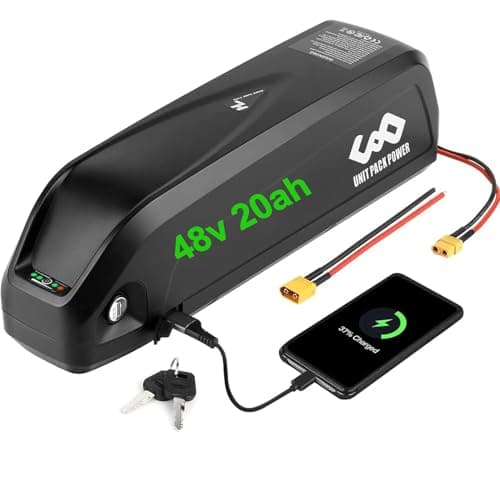
Unit Pack Power 48V Hailong Battery
$247.00 · View on AmazonPrice as of October 22, 2026. #ad How we’re funded
How Fast Do E-Bikes Go?
20 mph, 28 mph and the number on the listing that is none of the above — assisted speed explained in plain mph.
Can You Ride an E-Bike in the Rain?
Yes, with caveats. IP ratings, the connectors that actually mind water, and the storage mistake that kills batteries.
Our top pick
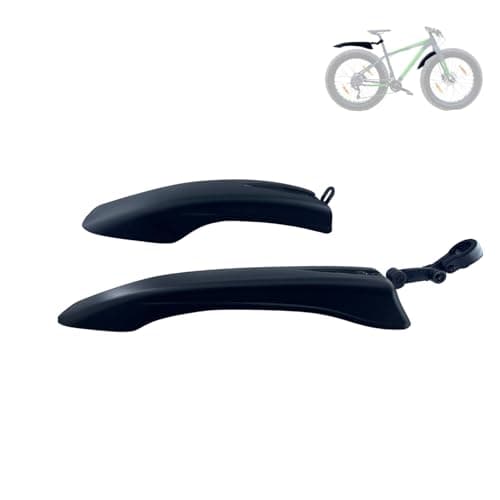
ZSYALY Fat Bike Front and Rear Mudguard Set
E-Bikes for Kids: Ages, Laws and Safety
What the law says by class and age, why a throttle bike is the wrong first e-bike, and the honest alternatives.
Where to Buy an E-Bike
Amazon, direct-to-consumer, big-box and the local bike shop — what each costs you in price, assembly and warranty.
Cycling for Weight Loss
How cycling compares with walking and running for calorie burn, and why the one you keep doing wins anyway.
Cycling vs Rowing
Full-body versus lower-body, indoor versus outdoor, and the joint-load and cost differences that decide it.
E-Bike Tire Pressure Explained
The free upgrade: what pressure to run on fat, plus and city tires, and what it does to range, grip and flats.
Our top pick
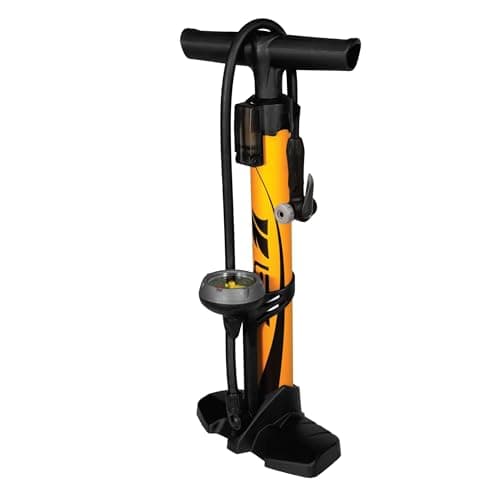
BV Steel Floor Pump with Gauge
Do You Need E-Bike Insurance?
What home contents cover does and does not include, when a standalone policy is worth it, and what it costs to skip.
Value E-Bike Brands: Who Is Worth Buying
Which budget brands sell on Amazon, which sell direct, and the certification and support questions that separate them.
Buying a Used E-Bike
The battery is the bike, and you cannot see it. A free serial check, a loaded test ride, and the arithmetic that decides whether a used bargain is one.
E-Bike vs Regular Bike
Exercise (with the research), running cost, speed, weight and theft — and how to decide which one you will actually ride.
Do You Need a Special E-Bike Helmet?
The CPSC standard every U.S. helmet meets, the Dutch NTA 8776 standard written for 28 mph, what MIPS does, and which you need at 20 mph versus 28.
Our top pick
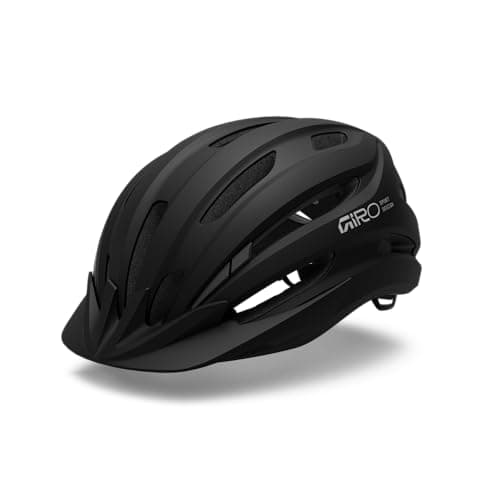
Giro Register MIPS II
$84.95 · View on AmazonPrice as of October 22, 2026. #ad How we’re funded
E-Bike Safety Tips
Speed, braking, being seen, being predictable, the battery and the lock, in the order they reduce your risk — with the four cheap items that close the gaps.
Our top pick
Giro Register MIPS II
$84.95 · View on AmazonPrice as of October 22, 2026. #ad How we’re funded
Commuting to Work by E-Bike
Sizing the battery to the round trip, arriving dry, carrying things, charging at the office, weather, and the lock — a working commuter's checklist.
Our top pick
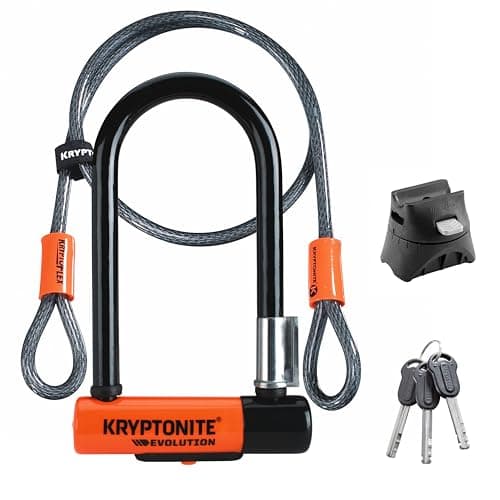
Kryptonite Evolution Mini-7 U-Lock
E-Bikes in an Apartment
Stairs, floor space, a shared hallway and a lithium battery in the room you sleep in. Which bikes work in a small space, and where they stand and charge.
Our top pick
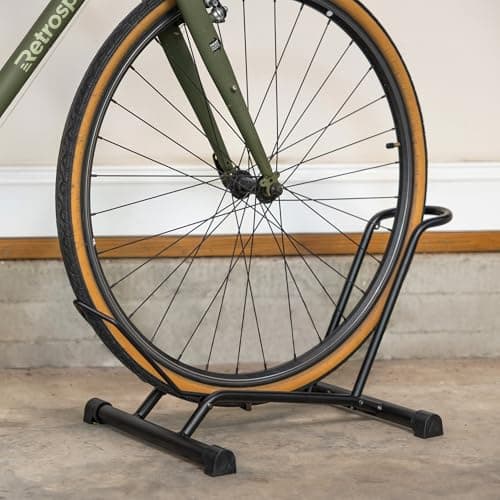
StoreYourBoard CycleStand Bike Floor Stand
$59.99 · View on AmazonPrice as of October 22, 2026. #ad How we’re funded
E-Bike for Grocery Shopping and Errands
Basket vs rack vs pannier, what the load limit actually includes, stop-and-go handling, and the ten-minute lock-up — the car-replacement case made honestly.
Our top pick
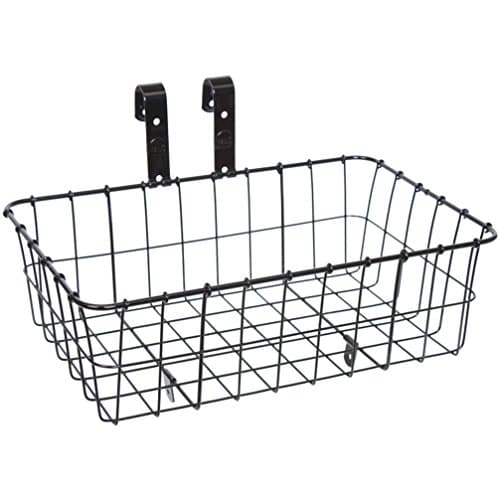
Wald 137 Front Basket
$40.12 · View on AmazonPrice as of October 22, 2026. #ad How we’re funded
How to Convert a Mountain Bike to Electric
Six measurements decide whether a kit fits your mountain bike: dropout width, dropout material, brake type, wheel size, bottom bracket and frame triangle. Take them before you buy.
Our top pick
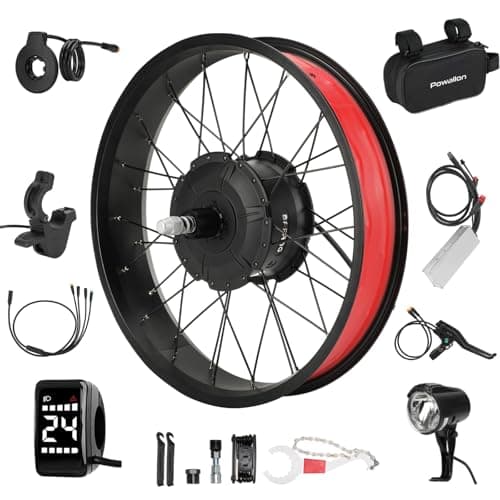
Bafang G062 48V 750W Fat-Tire Kit (20 x 4 in)
$299.99 · View on AmazonPrice as of October 22, 2026. #ad How we’re funded
Are E-Bike Conversion Kits Worth It?
A kit plus a pack plus a charger, against the cheapest certified e-bike on Amazon. The arithmetic, and the three cases where converting genuinely wins.
Our top pick
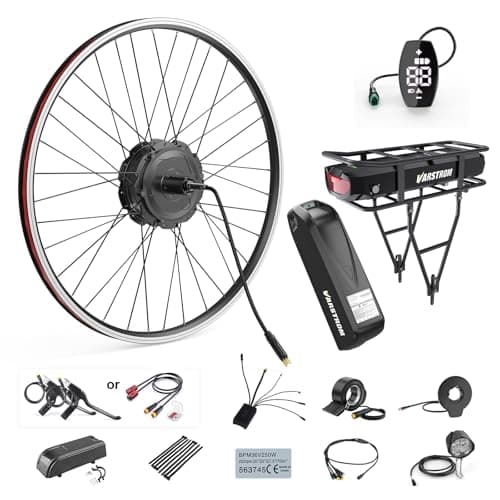
Varstrom 48V 500W/750W Geared Rear Hub Kit
$146.66 · View on AmazonPrice as of October 22, 2026. #ad How we’re funded
Your E-Bike Was Stolen: What to Do
The first hour matters most. Serial number, police report, registry listing, marketplace sweep, and the honest limits of a tracker once the bike is in a van.
Our top pick
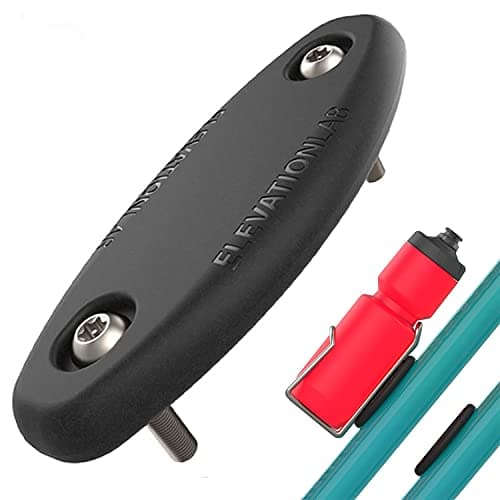
Elevation Lab AirTag Bike Security Mount
$19.99 · View on AmazonPrice as of October 22, 2026. #ad How we’re funded
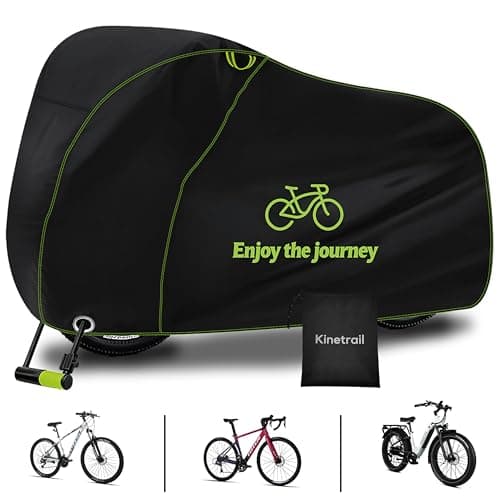
E-Bike Winter Storage
Where the bike goes, where the battery goes (not the same place), what charge to leave it at, and the fifteen-minute routine that decides how it rides in March.
Our top pick
Kinetrail Waterproof E-Bike Cover (1 Bike)
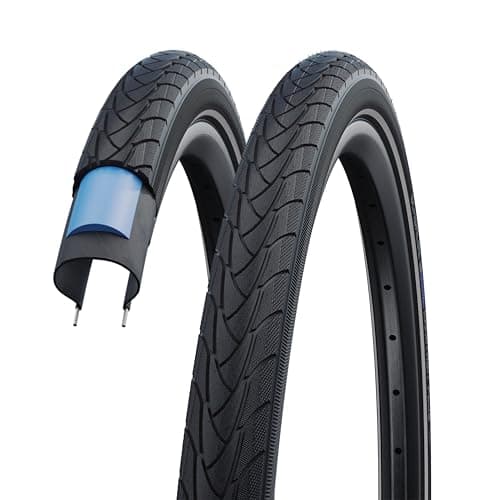
Fixing a Flat on an E-Bike
A rear flat on a hub-motor bike is a different job from a flat on a bicycle. What a shop charges, what it takes to do it yourself, and how to stop having them.
Our top pick
Schwalbe Marathon Plus
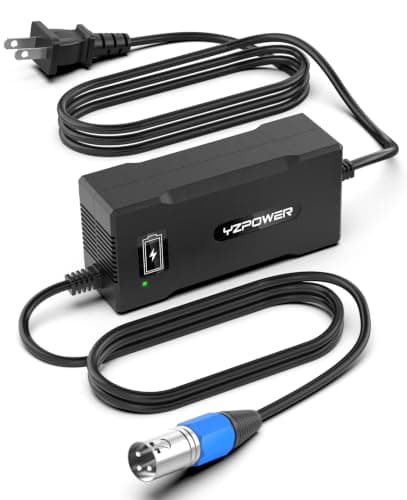
E-Bike Will Not Turn On: How to Diagnose It
Work from the cheapest cause to the most expensive: the cut-off, the connectors, the charger, the pack, the controller. Most dead value e-bikes are a $40 problem, not a $400 one.
Our top pick
YZPOWER 54.6V 4A XLR Charger (48V packs)
$37.58 · View on AmazonPrice as of October 22, 2026. #ad How we’re funded
E-Bike Alternatives: What Else Should You Consider?
Car, regular bike, scooter, moped, motorcycle, transit or an e-bike - the six comparisons side by side, with the cost and the law for each.
E-Bike Pros and Cons: The Honest Ledger
Everything an e-bike gives you and everything it costs you, including the weight, the theft risk and the battery clock - written for the cheapest end of the market.
E-Bikes at Walmart: What to Know Before You Buy
The big-box aisle is where most people meet their first e-bike. What the price actually buys, the four things to check on the box, and how it compares to ordering online.
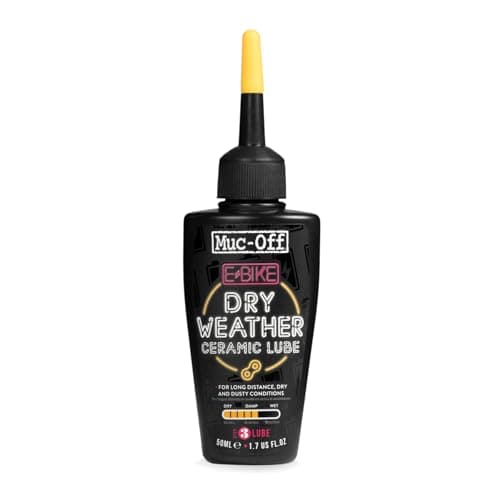
How to Lube an E-Bike Chain
Six minutes, once a month, and the single cheapest thing you can do for an e-bike drivetrain. Wet, dry or wax - and where the lube must never go.
Our top pick
Muc-Off eBike Dry Weather Chain Lube (Ceramic, 50 ml)
$8.49 · View on AmazonPrice as of October 22, 2026. #ad How we’re funded
How Long Does It Take to Charge an E-Bike Battery?
Watt-hours divided by charger watts, plus 15% for losses and an hour for the slow bit at the top - worked out for every pack size we list.
Our top pick
YZPOWER 54.6V 4A XLR Charger (48V packs)
$37.58 · View on AmazonPrice as of October 22, 2026. #ad How we’re funded
Are E-Bike Batteries Interchangeable?
Mostly no, and matching the voltage is not enough. The four things that have to agree before a pack fits another bike.
Our top pick
Unit Pack Power 48V Hailong Battery
$247.00 · View on AmazonPrice as of October 22, 2026. #ad How we’re funded
How to Transport an E-Bike
Hitch rack, truck bed, RV or plane - what a published rack rating means, and the airline rule that stops an e-bike battery flying at all.
Our top pick
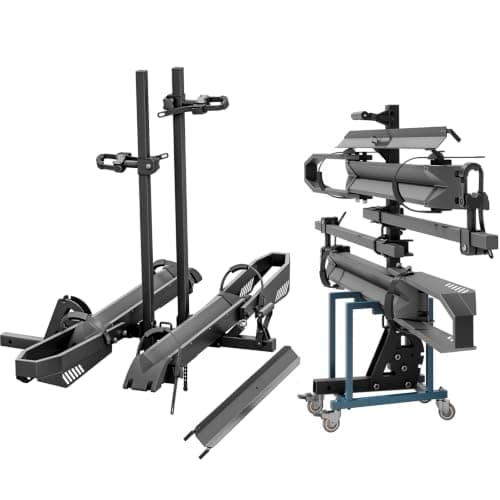
Tekmira Foldable 2-Bike Hitch Rack with Ramp (300 lb)
Can You Ride an E-Bike on a Trail or Bike Path?
The rules come from whoever manages the trail, and they are written in terms of class. What the NPS and BLM rules actually say, and the order to check in.
How to Increase Your E-Bike's Range
Range is watt-hours over watt-hours per mile. Everything free on this page attacks the second number - in order, cheapest first.
Our top pick
BV Steel Floor Pump with Gauge
Do E-Bikes Need Special Tires?
On a 20 mph bike, no. What an e-bike really changes is wear and the cost of a flat - which argues for a puncture belt, not a badge.
Our top pick
Schwalbe Marathon Plus